Blog
-
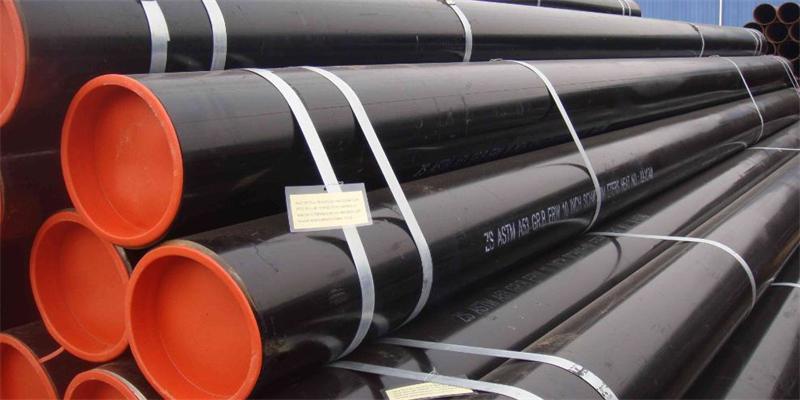
Manufacturing Method of Seamless Pipe-ERW Steel Pipe
The production method of seamless pipe is roughly divided into the cross-rolling method (Mennesmann method) and the extrusion method. The former method is to first perforate the tube with a skew roll, and then extend it with a rolling mill. This method has a fast production speed, but requires higher machinability of the tube blank, and is mainly suitable for the production of carbon steel and low-alloy steel tubes. The latter method is to pierce the tube blank or ingot with a piercing machine, and then extrude it into a steel pipe with an extruder. This method is less efficient than the skew rolling method and is suitable for the production of high-strength alloy steel pipes. Both the skew rolling method and the extrusion method must first heat the tube blank or ingot, and the produced steel tube is called a hot-rolled tube. Steel pipes produced by hot working methods can sometimes be cold worked as needed.Read more -
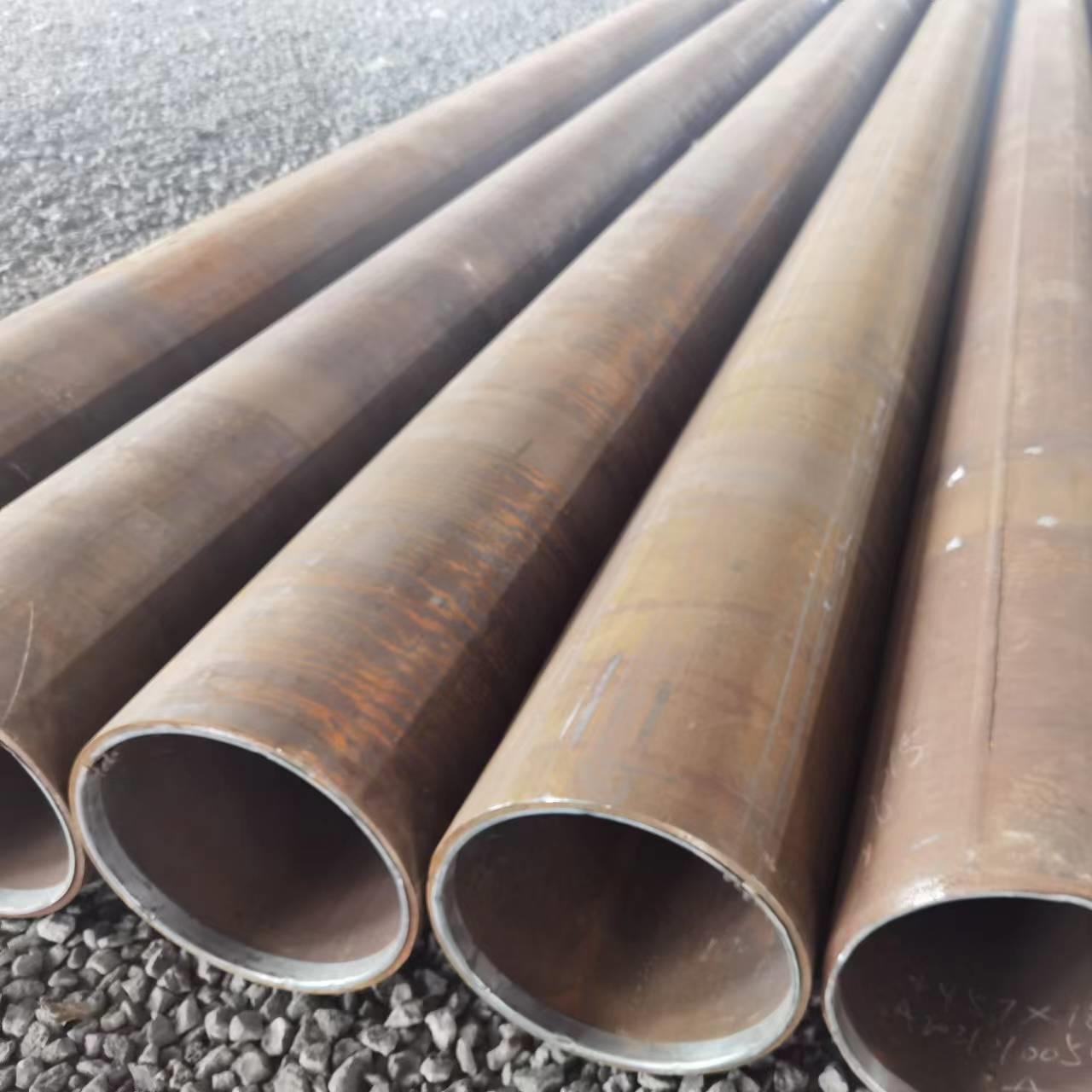
Comparison of Hot Rolled & Cold Rolled SS Steel Pipe-ERW Steel Pipe
Hot rolled seamless steel pipe can damage the casting structure of the steel ingot, refine the crystal grains of the steel, and eliminate the defects of the microstructure. In this way, the steel organization is compacting and the mechanical properties would be improved.This improvement is reflected in the rolling direction, so that the steel is no longer isotropic to a certain extent; bubbles, cracks and looseness formed during casting can also be welded under high temperature and pressure.Read more -
Stainless steel pipe-a500 erw steel pipe tubes factories
The production process of general seamless steel pipes(smls pipe) can be divided into two types: cold-drawn and hot-rolled. The production process of cold-rolled seamless steel pipes is generally more complicated than that of hot rolling. In the sizing test, if the surface does not respond to cracks, the pipe must be cut by a cutting machine and cut into a blank of about one meter in length. Then enter the annealing process. Annealing needs to be pickled with acidic liquid. When pickling, pay attention to whether there is a lot of blistering on the surface. If there is a lot of blistering, it means that the quality of the steel pipe does not meet the corresponding standards. In appearance, cold-rolled seamless steel pipes are shorter than hot-rolled seamless steel pipes. The wall thickness of cold-rolled seamless steel pipes is generally smaller than that of hot-rolled seamless steel pipes, but the surface looks brighter than thick-walled seamless steel pipes. Much rough, without too many burrs.Read more -
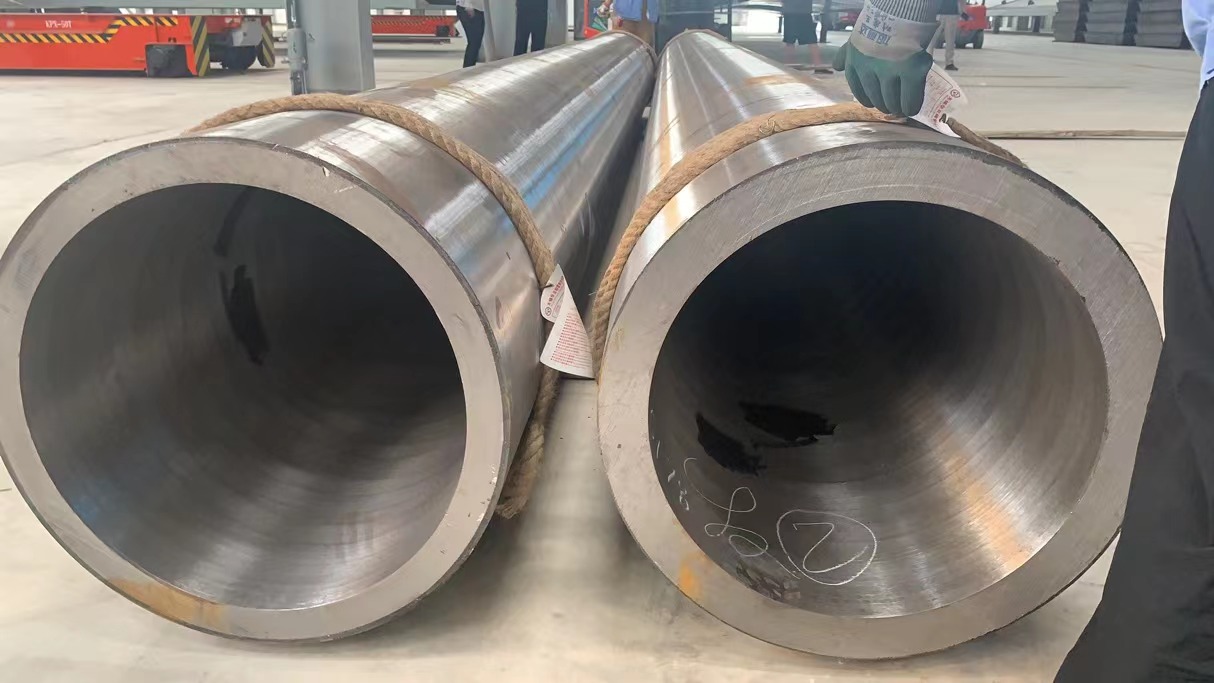
Exploring the welded tube making process-Welded Steel Pipe
Four different welding processes are typically used for making tube. Since there is no filler metal in these welds, the welds are at least as strong as the parent metals.High Frequency (HF) Welding. Today, most mild steel and aluminum tube is welded with HF welders, which are also suitable for 400 series stainless and even 300 series if the tubing is for decorative use.Nearly 95 percent of the HF welders sold are solid-state, using transistors to generate the alternating frequency current. Research has been undertaken to weld products less than 1/4 inch in diameter and to extend the ability of the welder to produce a pressure-quality weld on 300 stainless steel at high line speeds.Read more -
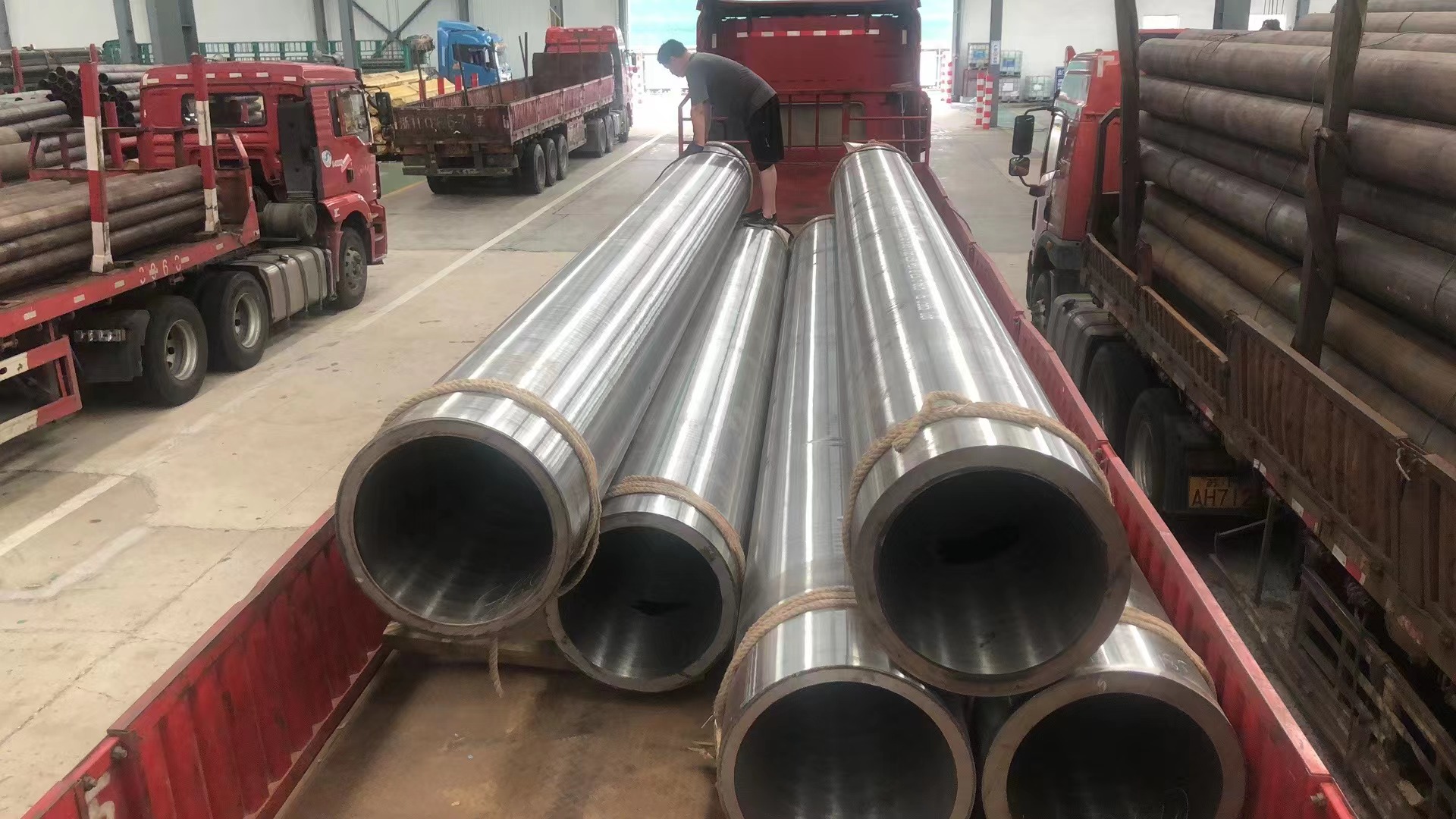
Methods Of Manufacturing Steel Tubes And Pipes-ERW Steel Pipe
Billet-Heating-Mannesmann piercer-Elongator-Plug mill-Reeler-Reheating-SizerWhen a seamless pipe is made by rolling, the rolling method involves piercing the material while it is being rolled, and is suitable for mass production. The figure shows the manufacturing process used in the Mannesmann plug mill, which is a typical rolling process. The Mannesmann-type piercer reduces the material by rolls that are inclined obliquely to each other. When the round billet is rotated while being compressed in the diametric direction, the central part of the billet becomes loose, which makes it easy to pierce a hole through the center. This is called the Mannesmann effect. The pierced portion is expanded by the elongator, and the wall thickness is then thinned and elongated by the pug mill. The internal and external surfaces are smoothed by the reeler, and the final dimensional adjustments are made by the sizer.Read more -
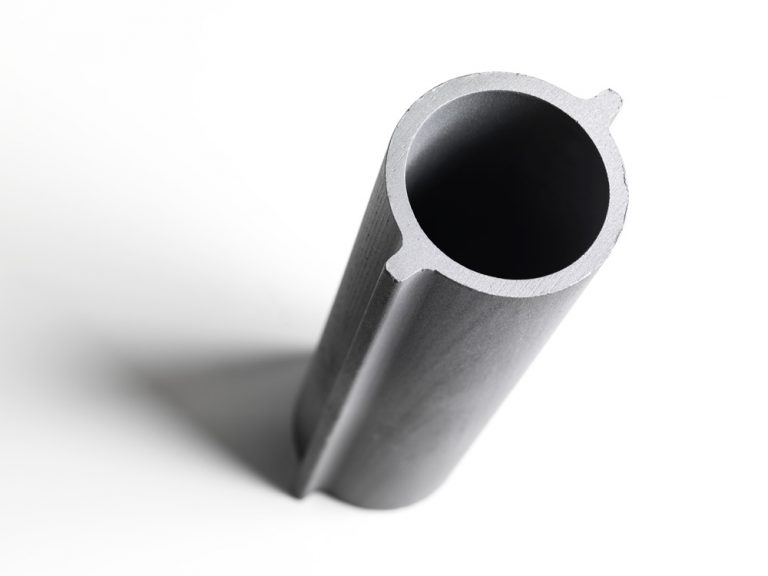
SEAMLESS STEEL PIPES OBTAINED BY HOT EXTRUSION-SEAMLESS STEEL-erw pipe
Seamless steel pipes obtained by hot extrusion are the result of a manufacturing process in which the acting force is compression. In hot extrusion, steel billets are pushed through so-called “passage lights” that are shaped and arranged on special tools, called matrices, so as to obtain the desired shape.This type of processing takes place at high temperatures to reduce the necessary forces and operate more easily on materials that, by nature, would not be especially ductile if processed at room temperature.Read more -
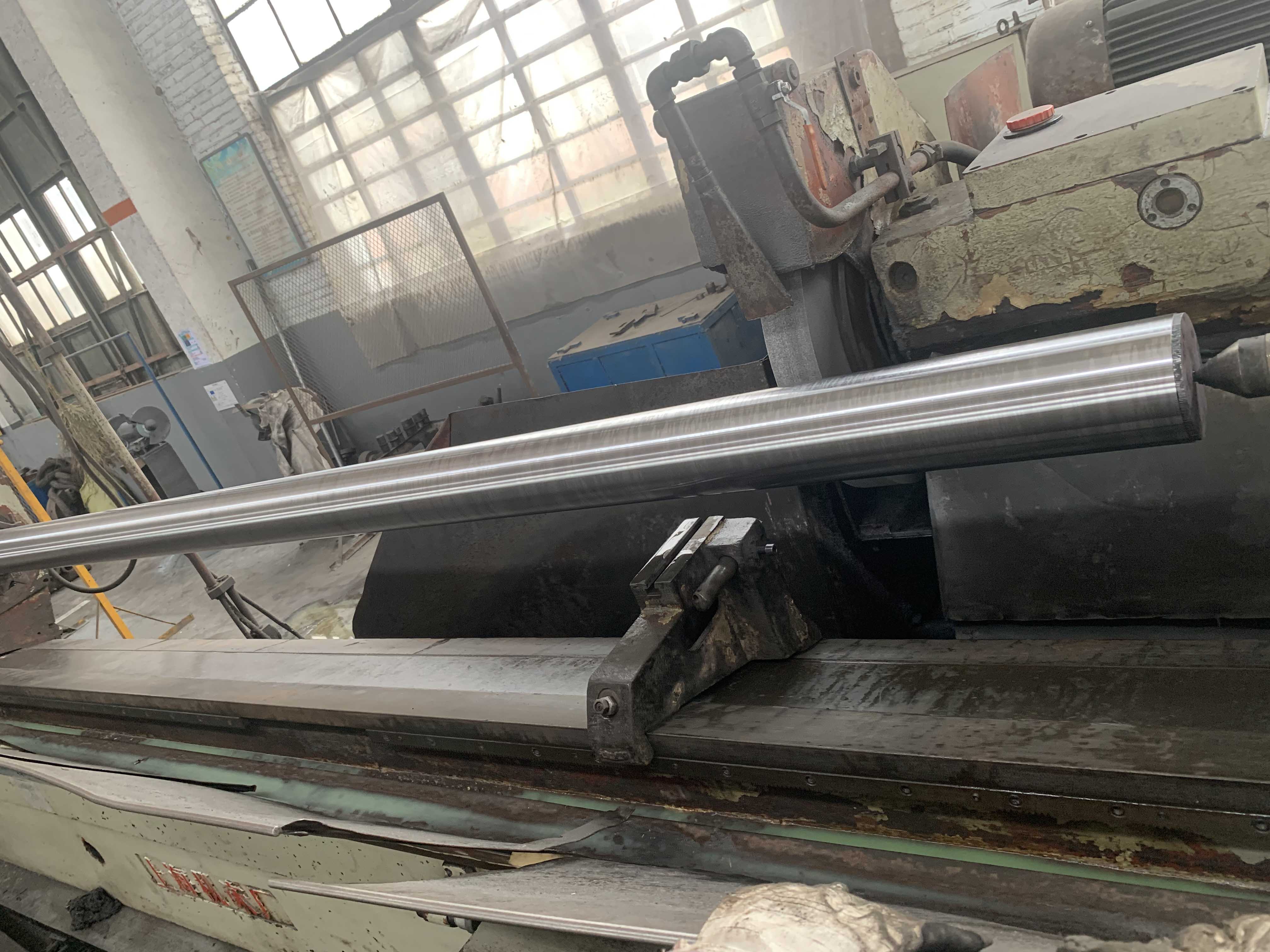
SEAMLESS STEEL PIPES OBTAINED BY HOT EXTRUSION-Stainless steel pipe
Seamless steel pipes obtained by hot extrusion are the result of a manufacturing process in which the acting force is compression. In hot extrusion, steel billets are pushed through so-called “passage lights” that are shaped and arranged on special tools, called matrices, so as to obtain the desired shape.This type of processing takes place at high temperatures to reduce the necessary forces and operate more easily on materials that, by nature, would not be especially ductile if processed at room temperature.Read more -
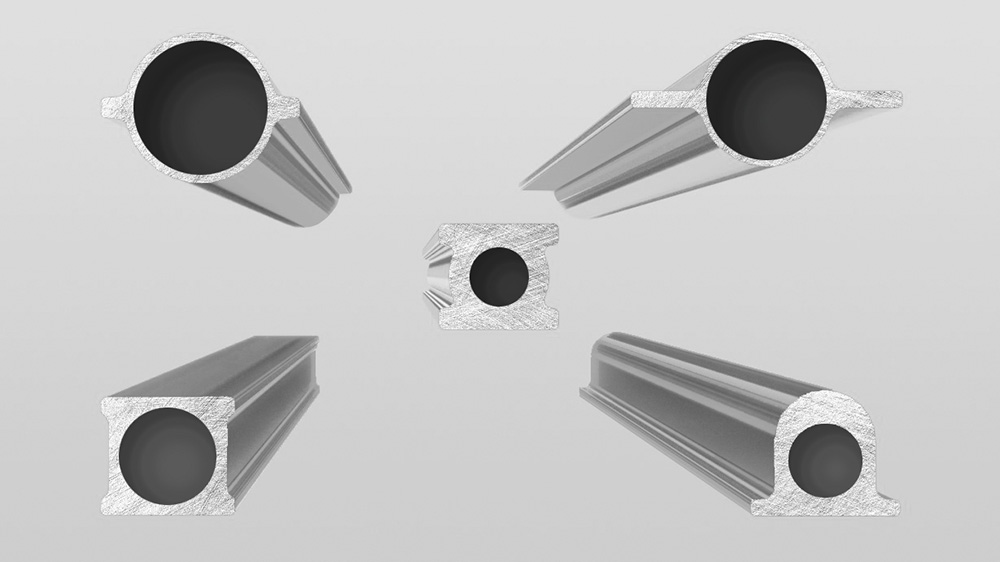
Seamless steel pipes-ERW Steel Pipe
Seamless steel pipes are produced by piercing a solid billet of steel to form a hollow tube. The billet is heated to a temperature that allows it to be easily pierced by a piercing mill. The mill contains a mandrel, which is a cylindrical tool that supports the inside of the tube during the piercing process.Once the billet is pierced, it is rolled and stretched to achieve the desired shape and size of the tube. This process is known as the extrusion process. The extrusion process can produce seamless pipes of various sizes and thicknesses, making them suitable for a range of applications.The main advantage of seamless pipes is that they have a smooth surface finish, which is essential for industries such as water supply, where cleanliness is crucial. Seamless pipes are also stronger and more durable than welded pipes, making them suitable for applications where high pressure and high temperatures are involved, such as in the oil and gas industry.Read more -
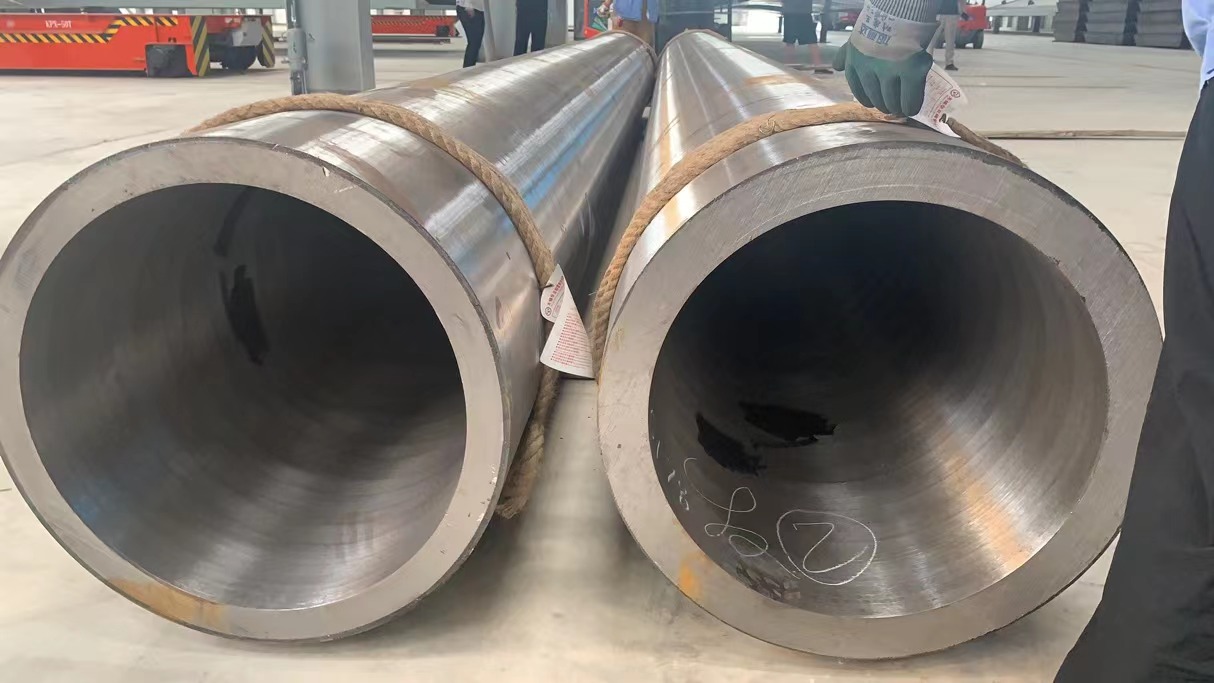
how are steel tubes made-Welded Steel Pipe
Steel tube (and Steel Pipe) has evolved over history. Specifically, metal tube has been around since around 3000 BC. In fact, Egyptians made the first metal pipe from copper.As Early as 2500 BC Chinese used bamboo pipe as a way to transport gasAs early as 2500 BC, Chinese used bamboo pipe as a way to transport natural gas to light Peking, their capital. Rome and Persia created aqueducts to bring water to city centers for bathing, washing and drinking.Furthermore, pipe (or tubing) is made with many different materials and methods. Hollowed stone, fired clay, bamboo, palm, redwood, lead, bronze, copper, and rubber are just some of the materials that makeup tubing.In the mid-1800’s the modern steel industry was bolstered with the Bessemer process. The Bessemer process represented the first inexpensive method for mass production of steel pipe. Subsequently, seamless tube was born in 1895. Quickly followed by manufacturing of auto, bicycle, and machinery for oil production which began in full force.Read more
 Korean
  English
  Azerbaijani
  Belarusian
  Bengali
  China
China  Esperanto
  French
  German
  Italian
  Japanese
  Kazakh
  Malay
Malay  Mongolian
  Portuguese
  Russian
  Spanish
  Turkish
  Turkmen
  Ukrainian